Your ADHD Brain Isn't Broken — Your Nervous System Needs a Reset
Nervous system regulation is a term used to describe managing changes in alertness and stress. For people with ADHD, this can include noticing tension or overstimulation and trying a comfortable pause, grounding exercise, or breathing practice.
Bonding Health is a self-help app, not therapy or medical care.
What is ADHD nervous system dysregulation? People with ADHD have an autonomic nervous system that shifts between fight-or-flight and shutdown more frequently and intensely than neurotypical individuals. This causes emotional reactivity, sensory overload, difficulty calming down, and rapid mood changes. Nervous system regulation exercises — like vagus nerve stimulation, physiological sighs, and somatic grounding — help train your body to return to a calm state faster.
Why ADHD Is a Nervous System Condition
ADHD is often described as an attention deficit, but emerging research shows it's fundamentally a condition of nervous system regulation. The ADHD brain has differences in dopamine and norepinephrine — the same neurotransmitters that regulate your autonomic nervous system.
This means your fight-or-flight response activates faster, stays on longer, and is harder to turn off. That's why a small frustration can trigger a disproportionate emotional response, and why you might oscillate between being wired and exhausted.
- Fight-or-flight: Racing thoughts, irritability, overwhelm, anxiety, anger outbursts
- Shutdown/freeze: Brain fog, emotional numbness, fatigue, procrastination, dissociation
- Ventral vagal (safe): Focus, calm, connection, creativity — the state nervous system regulation helps you access
6 Nervous System Regulation Exercises for ADHD
These techniques are backed by neuroscience research and adapted for ADHD brains. Each can be done in under 2 minutes.
Physiological Sigh
Double inhale through your nose (two quick breaths in), then one long exhale through your mouth. Stanford research shows this is the single fastest way to activate your parasympathetic nervous system. Do 3 cycles.
Vagus Nerve Cold Stimulation
Splash cold water on your wrists and face, or hold an ice cube. Cold activates the vagus nerve's diving reflex, immediately slowing your heart rate and shifting you toward calm. Especially effective during anger or panic.
Humming & Vocal Toning
Hum deeply for 30-60 seconds. The vibration stimulates the vagus nerve where it passes through your throat. Gargling water vigorously works on the same principle. This is particularly helpful for ADHD shutdown states.
Bilateral Stimulation
Alternate tapping your knees, shoulders, or the sides of your legs. Bilateral (left-right) stimulation activates both brain hemispheres and helps process intense emotions. Walk while doing this for enhanced effect.
5-4-3-2-1 Sensory Grounding
Name 5 things you can see, 4 you can touch, 3 you can hear, 2 you can smell, 1 you can taste. This interrupts the stress response by anchoring your awareness in the present moment instead of the emotional spiral.
Somatic Shaking
Stand and shake your hands, arms, and body for 60-90 seconds. Animals in the wild do this instinctively after a threat to discharge stress hormones. For ADHD brains that hold tension, this releases stored fight-or-flight energy.
How Qiks™ Make Nervous System Regulation Automatic
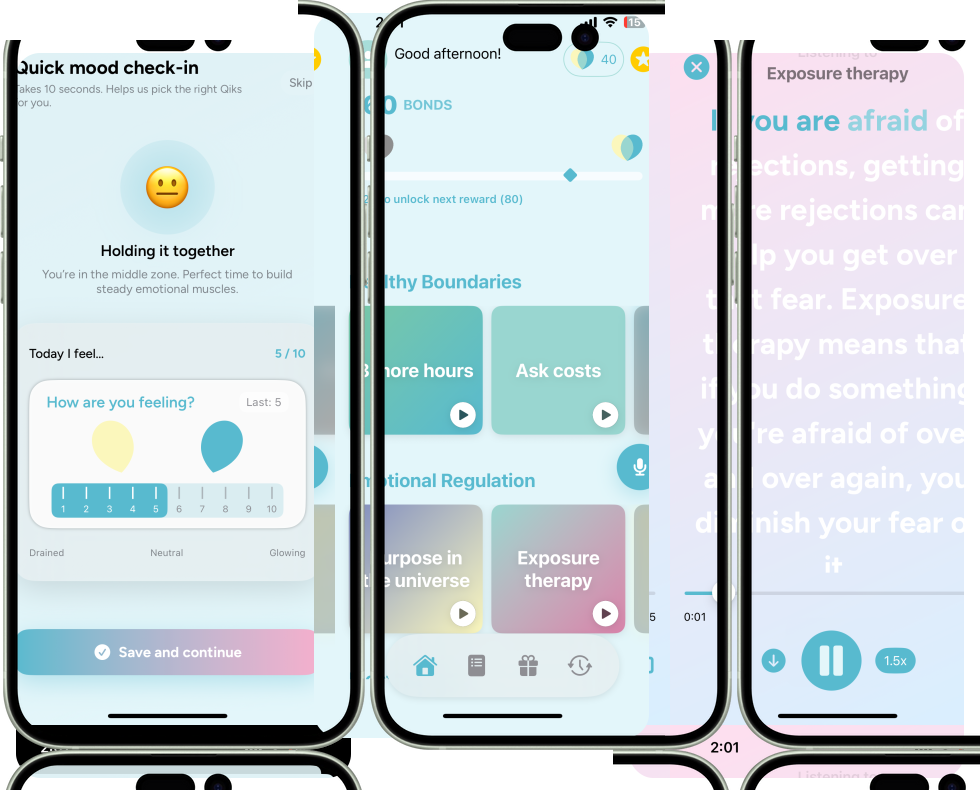
Knowing the exercises is one thing. Remembering to use them when your nervous system is hijacked is another. That's why Bonding Health created Qiks™ — 15-second guided micro-exercises that package these techniques into something you can actually use in the moment.
Matched to Your State
Qiks are categorized by emotional state — overwhelm, anger, anxiety, shutdown. You pick what you're feeling, and Bonding Health delivers the right nervous system exercise.
15 Seconds to Start
ADHD brains resist long meditation sessions. Qiks start in 15 seconds and finish in under 2 minutes — short enough to use before a meeting, during a meltdown, or at 2am.
Built-In Habit Loop
Earn Bonds points for each Qik, build streaks, and redeem rewards. The dopamine hit from the reward system helps your ADHD brain build the regulation habit.
The Vagus Nerve and ADHD: Why It Matters
The vagus nerve is the longest cranial nerve in your body, running from your brainstem to your gut. It's the primary communication channel of your parasympathetic nervous system — the "calm down" system. Research shows that people with ADHD tend to have lower vagal tone, meaning their bodies are less efficient at activating this calming response.
The good news: vagal tone can be strengthened through regular practice, just like a muscle. Daily vagus nerve exercises — cold exposure, humming, deep breathing, gargling — can measurably increase your vagal tone over weeks, making your nervous system more resilient to the emotional triggers of ADHD.
Frequently Asked Questions
What does nervous system regulation mean?
It describes managing changes in alertness and stress, including noticing how your body feels and choosing a supportive response. It is not a diagnosis or a cure for ADHD.
What can people with ADHD try?
Options include noticing your surroundings, reducing distracting input, taking a movement break, or following a comfortable breathing exercise. Choose what feels manageable and stop if an exercise feels uncomfortable.
How long should a reset take?
Start with a short practice that fits your day. Bonding Health includes guided 60-second QIKS; the length of a practice is not a promise of results.
Can I use Bonding Health alongside treatment?
Bonding Health is a self-help app, not therapy or medical care. It can be used alongside your existing care plan; discuss treatment changes with your clinician.
Start Regulating Your Nervous System Today
Take the 60-second quiz to discover your nervous system pattern, or download Bonding Health and try your first Qik free.